Tips for Feeding a Large Family
This post may contain affiliate links. As an Amazon Associate, and through other affiliate programs, I earn a small commission from qualifying purchases — at no extra cost to you. See our full disclosure policy for details.
Are you struggling to find the money, time, and organization needed to feed a large family on an allergy-friendly diet? With many mouths to feed and allergen friendly food prices at a premium, you'll find this post a must-read.
Or maybe you are looking to be more organized in your meal planning and budgeting -- then this post is for you too.
And because it takes someone with a legit large family to share tips for cutting costs, I turned to my friend, LeighAnn, to help me co-author this valuable post, "Tips for Feeding a Large Family."
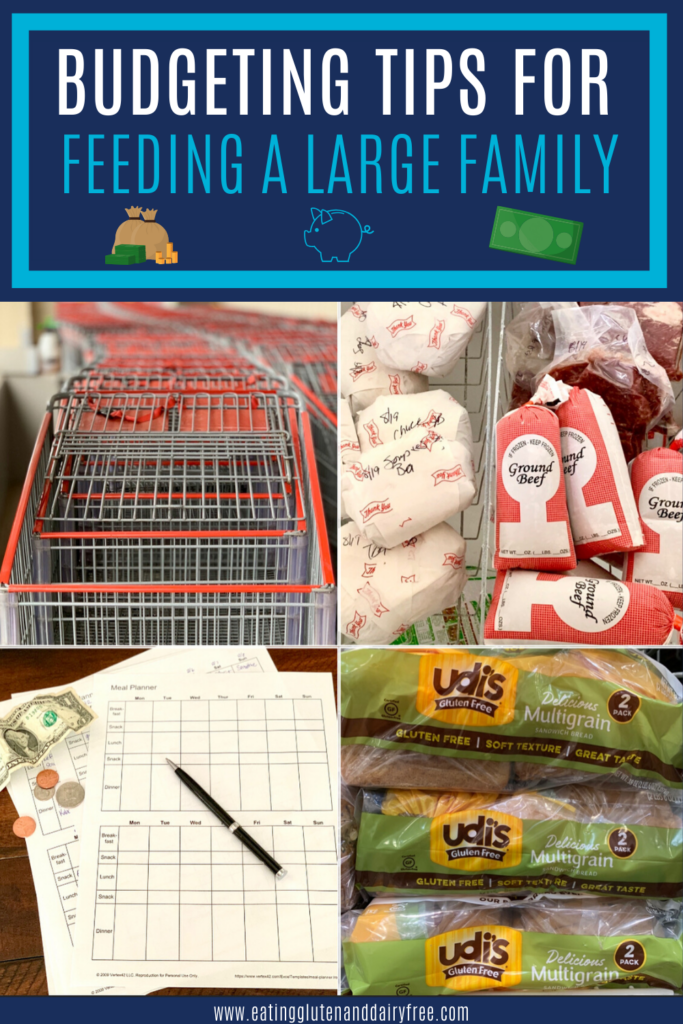
Let me introduce to you my friend and co-author of this post, LeighAnn.
She resides in Ohio with her husband and 9 kids. Her beautiful children range in age from 17 years to 6 months -- and from looks and spirit you wouldn't guess she's a day over 25.
Let it be known LeighAnn and her family have been dairy free for sixteen years and gluten free for ten.

LeighAnn and I share a bond over our gluten and dairy free diets, and she definitely knows her stuff when it comes to feeding her big family delicious food on a budget.
Feeding a family of five on a gluten and dairy free budget is hard enough, let alone a family of eleven -- so if you're finding it challenging to feed many mouths an allergen friendly diet, take note. And even if you're a smaller family, you'll still find these tips helpful.
LeighAnn's Allergen Friendly Tips for Feeding a Large Family
Let’s face it, eating dairy and gluten free can be expensive. As a mom of 9, I get asked all the time, “How can you afford it?" Here are my 5 biggest tips:
Budget
Budget, budget, budget! Of all the tips, this is the most important. When it comes to affordability, you must figure out a reasonable grocery budget for your family. Then you must stick to it. Take cash out of your account if you need to.
Meal Plan + Food Inventory
In order to stick to the budget, creating a meal plan can do several things:
- it will help you create and stick to a list
- keeps your pantry, fridge, and freezer not only stocked, but items rotated
- and you accumulate a list of meals you can cycle through
First, find a template that suits your needs when working on a meal plan.
Second, when meal planning, take a look in your fridge and pantry. Then you'll save money and time using what you already have on hand. This can be a huge money saver.
Now, why make meal planning harder than it has to be? Save your old meal plans to generate a master list of your family's favorite meals and pull from there. As you try new recipes, add them to your master list.
Finally, as you look over your plan, try to reduce the number of meals requiring specialty gluten and dairy free items, items such as pasta, wraps, and bread.
This is also a great way to transition from a few family members eating DF/GF to your whole family. We save meals such as lasagna or grilled sandwiches for special occasions because of the added cost of noodles and bread.
And once you start saving money on your groceries, you'll able to purchase those fun extra foods on sale. Buy them then and stockpile them, which leads to tip number 3.
Pro tip -- a fabulous meal for using up various leftovers is fried rice. And what if you can’t afford gluten free soy sauce? Skip it and season your rice with garlic powder and onion powder.

Buy in Bulk
Buying in bulk is a great way to save money. I’m not talking about the bins in the local grocery store — those can literally be dangerous.
My Top 10 Bulk Item Purchases Are --
- Restaurant-size containers of spices -- because spices equal meal options
- All purpose gluten free flour
- Eggs
- Almond flour
- Coconut Oil
- Olive Oil
- Cereal -- great for trail mix, a quick breakfast, or snack
- Frozen Vegetables
- Meat
- Bragg Liquid Aminos
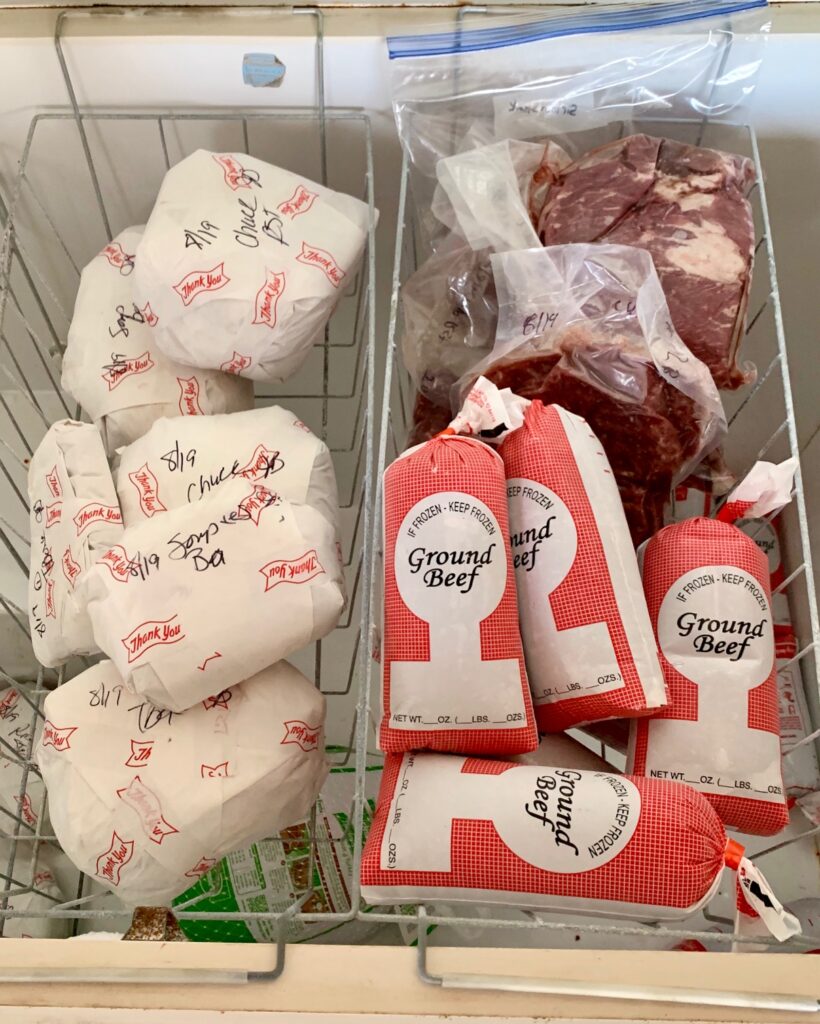
As a matter of fact the biggest "bulk" money saver for our family is meat.
We save money throughout the year to purchase 1 cow and at least 2 hogs each year. If that isn't an option for you, don’t be afraid to visit your local butcher. Ask if they offer discounts for buying meat by the case or in larger quantities. Less work for them means more savings for you!
You can either portion out meat into freezer bags and vacuum seal it or can it.
In addition when you remove the weekly need to buy pork and beef, it leaves room to purchase fresh fruits, vegetables and specialty DF/GF items like condiments, ice cream, and milk.
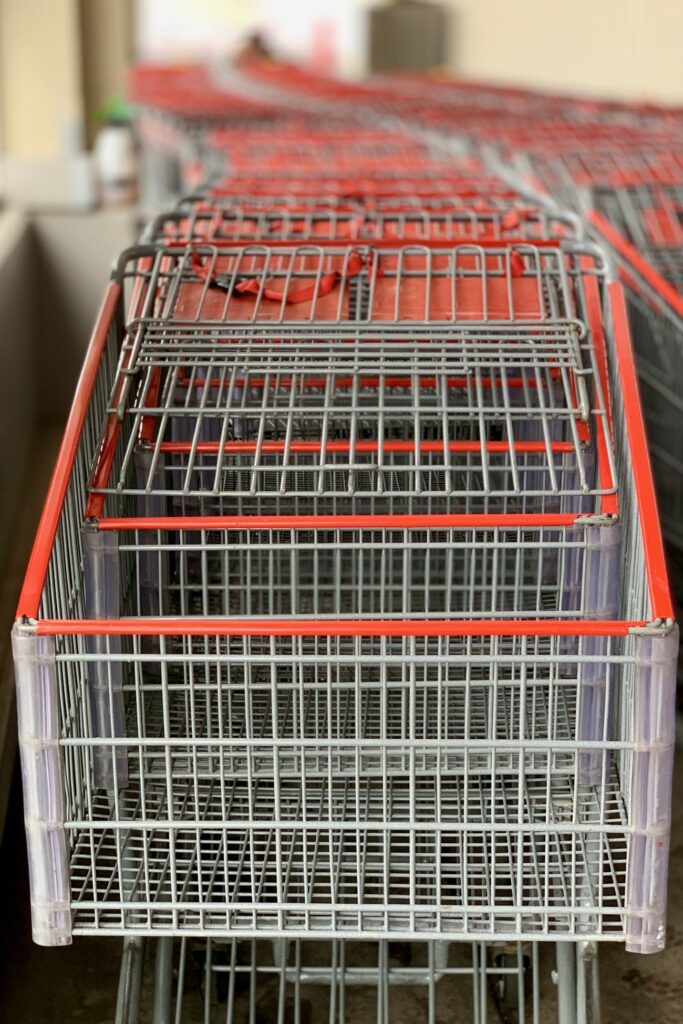
Don't forget bulk warehouse stores can be another way for large families to save money.
A membership is required for stores like Sam’s Club and Costco; however both now carry larger selections of dairy and gluten free items.
Discount Grocers
Surprisingly, the second biggest key to saving grocery money is shopping at discount grocers. Not to mention this is how you can afford to stock your pantry and try new items you can't afford to pay full price for.
Owning a Deep Freezer + Extra Fridge
Moreover it's necessary that a large family has space to store food. This also comes in handy if you're trying to save time and gas by not making a shopping trip every week.
LeighAnn's Bonus Tip
Make your own seasoning blends and also eliminate store bought seasonings that tend to have hidden gluten and dairy. For example -- store brand taco seasoning commonly has gluten in it.
Make your own and use it for more than just taco dishes. Did you know it's a great base for homemade chili too? Add some cayenne, coriander and some extra cumin and you’re good to go! Here is my personal taco seasoning recipe I've been using for years.
Taco Seasoning-- mix the following seasonings together and store in an airtight container in a dry, cool location. Use approximate 1 tablespoon taco seasoning per pound of meat.
- 4 tablespoon chili powder
- 1 teaspoon garlic powder- granulated
- 1 teaspoon onion powder- granulated
- 1 teaspoon oregano
- 2 teaspoon paprika
- 4 teaspoon fine sea salt
- 4 teaspoon ground black pepper
- 2 tablespoon ground cumin

Lastly, maintaining a dairy and gluten free diet for a large family is possible! If we can do it, so can you!
A Few More Tips for Feeding a Large Family
Along with LeighAnn's tips, here are a few more strategies that work well for stretching a large family's grocery budget and time.
Cook Once, Eat Twice (Batch Cooking)
Pick a few freezer-friendly recipes -- like lasagna, taco soup, or sloppy joes, and double or triple the batch every time you make them.
Cook once, eat the first round for dinner, and freeze the rest in family-size portions for a night when you don't have time or energy to cook from scratch.
Get the Kids Involved
Bulk cook days go a lot faster with extra hands. Give kids age-appropriate jobs -- washing veggies, stirring, portioning food into freezer bags, so meal prep gets done quicker and they learn the family recipes along the way.
Rotate a Simple Weekly Menu
Repeating a rotating set of family-favorite meals cuts down on decision fatigue and keeps your grocery list predictable, which makes both budgeting and bulk shopping trips much easier to plan around.
Meal Ideas for a Large Family
- Homemade Sloppy Joes -- this meal idea is filling for a whole family and can easily be sandwiched between slices of homemade bread
- Baked Potato Wedges -- the perfect side to complement any meal
- Crock Pot Taco Soup -- this soup idea easily feeds a crowd or large family
Tired of figuring out dinner?
Grab my Busy Week Dinner Plan with 5 easy gluten & dairy free dinners + grocery list.
Eat well and feel well,
Victoria
Never Run Out of Safe Recipes
Loved this recipe? Our cookbooks are packed with tested, family-approved gluten & dairy free recipes so you never have to hunt for a safe one again. The Holiday Recipes Cookbook has 50+ recipes for every season, and The Classics has our all-time family favorites.